What you can safely handle at first
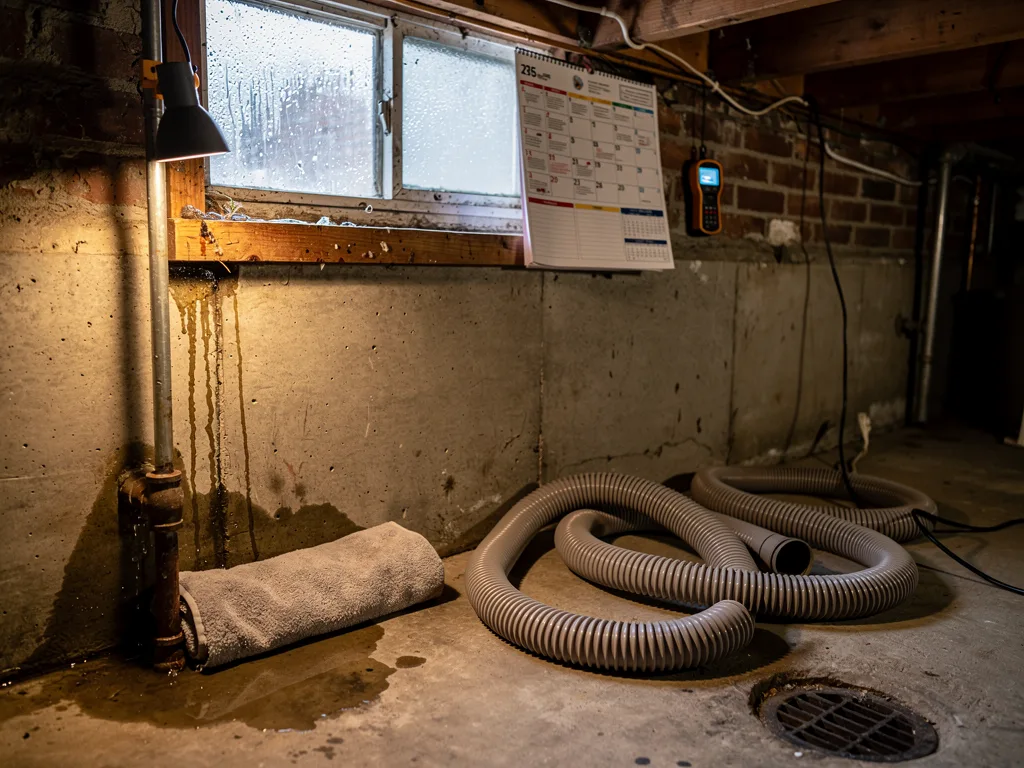
Small surface dampness after a rainstorm may not require immediate disruption. In District of Columbia homes, you can open windows to improve air flow, move belongings away from affected areas, and keep kids and pets out of the space. You can document the issue with photos and monitor changes over a day or two. If the moisture levels are stable and no surface staining appears, you may be able to wait a day or two before calling for a professional assessment.
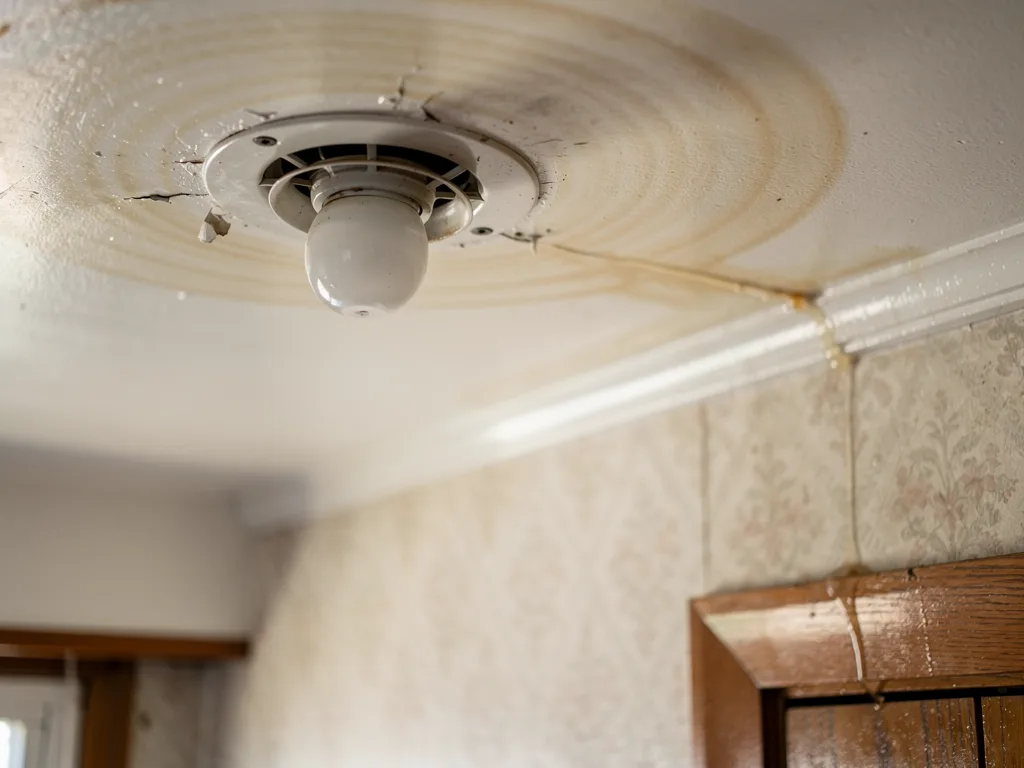
But there are limits. Anything near electrical outlets, appliances, or a suspected flood should be treated with caution. If you see pooling water, a strong musty odor, or signs that moisture is spreading into different rooms, it’s time to reach out to a restoration specialist.
When to call a restoration specialist
If you notice rising moisture levels, visible staining, or a sudden increase in humidity after a storm, contact District of Columbia Water Damage Specialists. A trained restoration specialist can perform a professional moisture reading, identify hidden pathways, and set a plan that protects your structure and contents. In some cases, quick action can limit damage and save you money in the long run.
Common scenarios that deserve a professional eye include suspected roof leaks, unexplained dampness behind walls, or signs that moisture has reached insulation. A proactive assessment helps ensure you’re not missing invisible problems that can worsen over time.
What to expect from a pro assessment
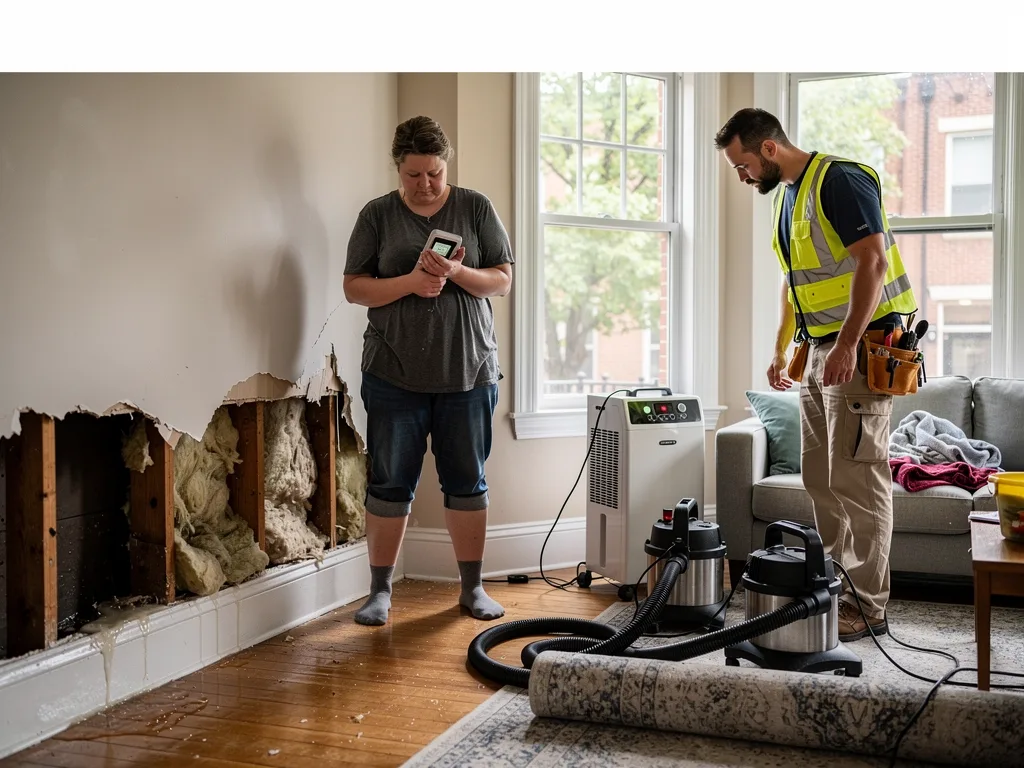
We start with a thorough examination of visible areas, followed by moisture readings in walls, floors, and ceilings. Our restoration specialists explain findings in plain language, outline the sources of moisture, and present options for removal, drying, and repairs. There’s no obligation to proceed beyond the initial consult, and we tailor our approach to District of Columbia homes and climate realities.